
.png)
The Monthly Stone Edit: Turquoise
- Dec 18, 2025
- 3 min read
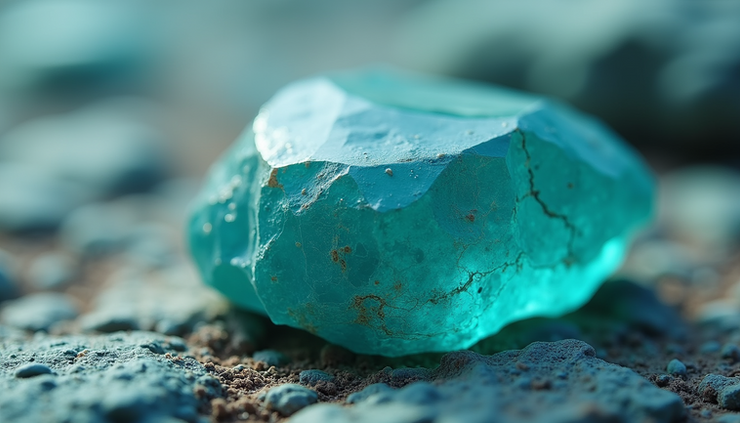
Turquoise has captivated people for thousands of years with its striking blue-green hues and unique patterns. As this month’s birthstone, it offers more than just beauty — it carries rich history, cultural significance, and a variety of uses that make it a fascinating gem to explore. Whether you are considering turquoise jewellery or simply want to learn about its origins and qualities, this guide will provide a clear and engaging overview.
What Makes Turquoise Special
Turquoise is a hydrated phosphate of copper and aluminium, prized for its distinctive colour that ranges from sky blue to greenish tones. Its colour depends largely on the amount of copper and iron present. The most sought-after turquoise is a bright robin’s egg blue, often called “Persian turquoise,” which has been mined for centuries in Iran.
Unlike many gemstones, turquoise is opaque and often features natural veining or matrix patterns. These veins are remnants of the host rock and add character to each stone, making every piece unique. This natural variation means no two turquoise gems are exactly alike, which appeals to collectors and jewellery lovers alike.
Historical and Cultural Significance
Turquoise has a long-standing place in human history. Ancient Egyptians used it in jewellery and amulets, believing it brought protection and good fortune. Native American tribes, especially in the Southwestern United States, have treasured turquoise for centuries, using it in ceremonial objects and intricate silver jewellery.
In many cultures, turquoise symbolises healing, protection, and wisdom. It was often worn by warriors and travellers as a talisman against harm. Today, these associations continue to add to the stone’s allure, making it a meaningful gift for those born in this month or anyone who appreciates its symbolism.
How to Care for Turquoise Jewellery
Turquoise is relatively soft compared to other gemstones, ranking between 5 and 6 on the Mohs hardness scale. This means it requires careful handling to avoid scratches and damage. Here are some practical tips to keep your turquoise looking its best:
Avoid exposure to chemicals such as perfumes, lotions, and household cleaners.
Remove turquoise jewellery before swimming or bathing, as water can affect its colour.
Store pieces separately in a soft pouch or lined jewellery box to prevent scratches.
Clean gently with a soft, damp cloth; avoid ultrasonic cleaners or steam cleaning.
By following these simple steps, your turquoise jewellery can retain its vibrant colour and charm for many years.
Popular Turquoise Jewellery Styles
Turquoise’s unique colour and texture make it a versatile choice for various jewellery styles. Some popular options include:
Statement necklaces featuring large turquoise stones set in silver or gold.
Bracelets and bangles combining turquoise with other natural stones or metals.
Earrings that highlight the stone’s colour with simple studs or elaborate dangles.
Rings with polished or raw turquoise, often paired with intricate metalwork.
Turquoise jewellery works well with both casual and formal outfits, adding a splash of colour and a touch of natural elegance.
Where to Find Authentic Turquoise
Authentic turquoise comes from several well-known locations around the world. Some of the most notable sources include:
Iran (Persian turquoise): Known for its bright blue colour and minimal veining.
Southwestern USA: Mines in Arizona, Nevada, and New Mexico produce turquoise with a variety of colours and matrix patterns.
China: A major supplier of turquoise, often with greenish hues.
Egypt: Ancient mines still produce turquoise with historical significance.
When purchasing turquoise, it is important to buy from reputable dealers who provide information about the stone’s origin and treatment. Some turquoise is stabilised or dyed to enhance colour and durability, so understanding these factors can help you make an informed choice.
The Appeal of Turquoise Today
Turquoise remains a popular choice for jewellery designers and wearers alike. Its natural beauty, combined with its rich history and cultural meaning, gives it a timeless appeal. Whether worn as a birthstone or chosen for its aesthetic qualities, turquoise offers a connection to nature and tradition.
For those looking to add a unique and meaningful piece to their collection, turquoise provides an excellent option. Its versatility means it can suit a variety of tastes, from bold statement pieces to delicate accents.


Comments